

U.S. not Us
They're all mouth and trousers

Some time ago my young nephew, a botanist, rang my front door bell in Brisbane.
He’d arrived to help me sort three-rooms-full of writings, notes, photos, clippings and manuscripts into some semblance of order.
After more than 60 years sweating over a keyboard I needed Richard’s meticulous skills — honed by a decade of classifying and categorizing weeds, fungi and plants both in Australia and at the famous Kew Gardens in London.
Plus, being a lifesaver, he had the physical attributes required to man-handle the collection of old tin trunks containing my over-flowing archive.
Richard took off his aviator sunglasses.
Combined with a substantial red beard after years abroad he looked like Prince Harry.
Half-expecting some news of the Royal Family, I asked if he had developed any special interests while in London.
“Yes, smut,” he replied, “you can look it up on the internet.”
“Oh no, the youth of today!” I thought, until he explained that smut is a group of fungi of great interest to boffins like himself.
After such a bad start I sought some common ground.
“So. How’s tricks Richo?” I asked.
“What do you mean?” he asked.
So I explained that this was what Aussies used to ask people they hadn’t seen for a fair while… er… “Which means a long time”, I hastily added.
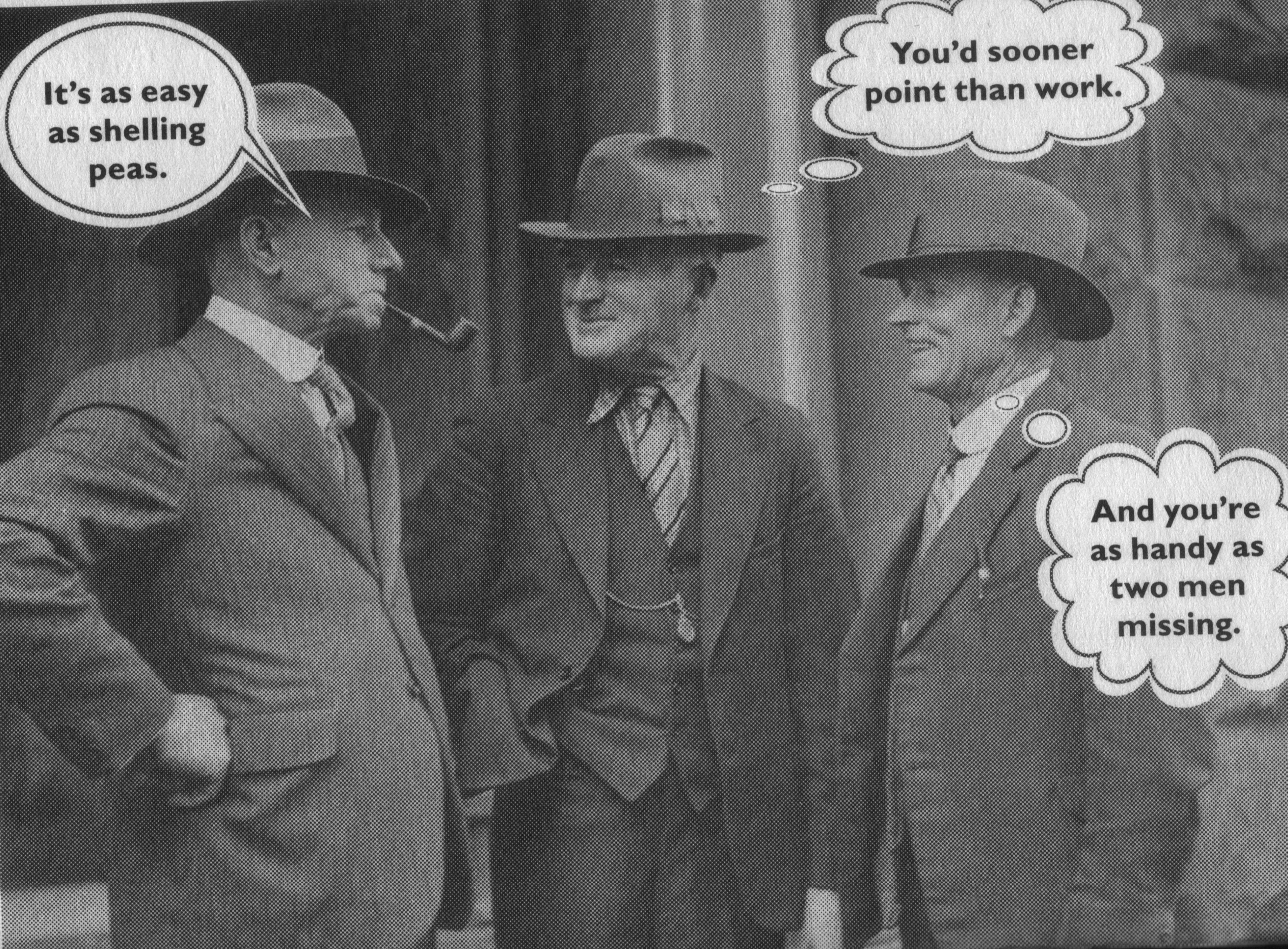
Our conversation reminded me of the adventurer who took a group of school children on a bush walk in the mountains behind the Gold Coast several years ago. After a few hours in the heat they reached the middle of a high, dark piece of rainforest full of twisted, gnarled, contorted centuries-old trees which allowed little light through.
It was cool in the shade and they’d been hiking since breakfast, so he asked the boys, “Would you like a spell?”
The kids hopped for joy, threw down their packs and squealed “Yes” only to be disappointed when it turned out the adventurer didn’t plan to do something magical and Harry Potterish.
Which took me back to the confusion a journalist colleague of mine created recently. He wanted to do a big profile story on a rising sports star. But her agent was being extremely protective; not sure if it would be in her best interests.
The journalist pleaded: “But we’ll do her proud!”
“What do you mean?” the agent replied, suspicious.
Like the young man whom a physiotherapist I’ve known for 50 years was treating for a bad back. After examining him carefully, the physio stroked his chin and said, “Look, I don’t want to put the mockers on you…” only to be interrupted by the young man: “I don’t mind. Put the mockers on me. I’ll try anything if it fixes my back!”
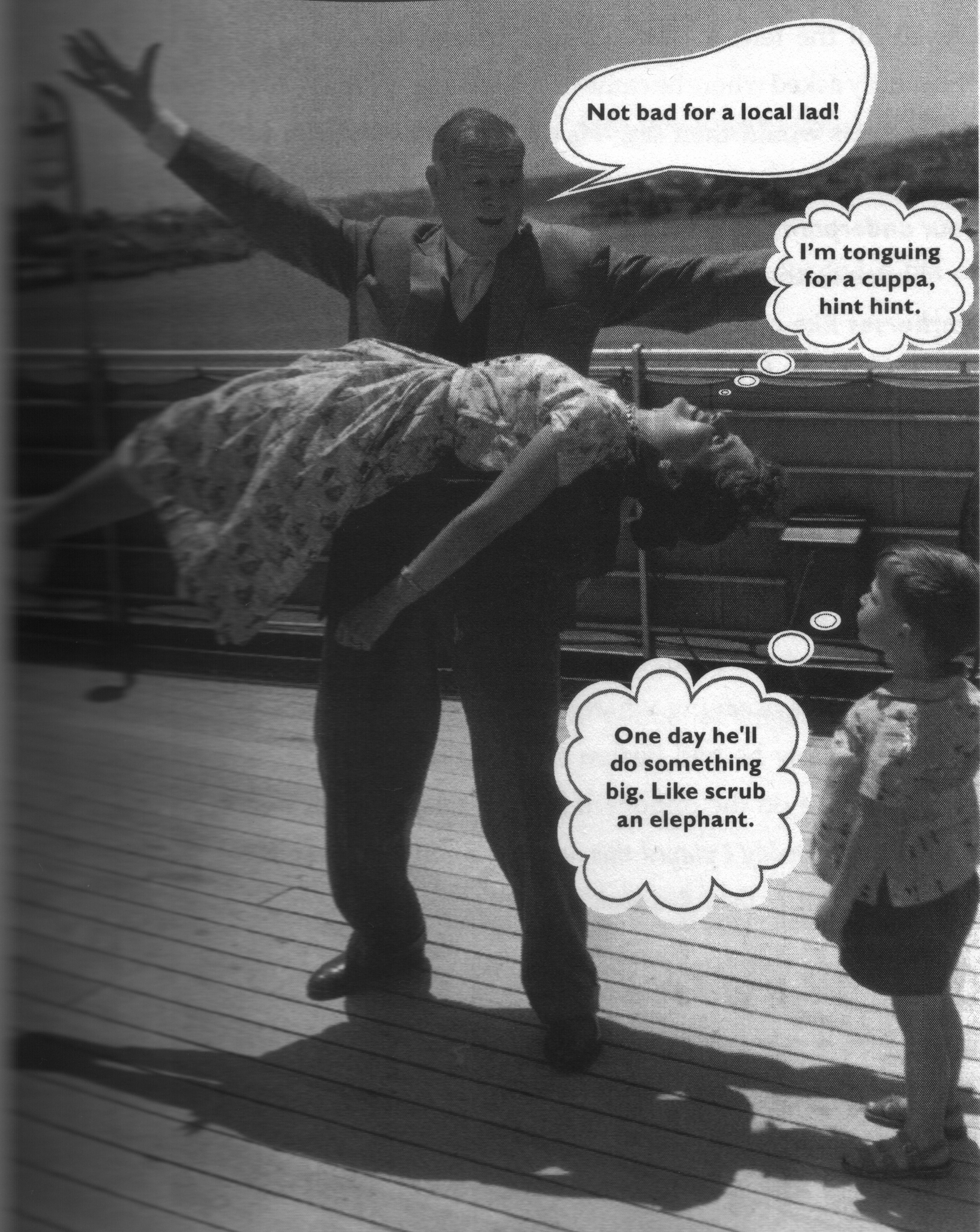
The main reason our language has disappeared is because it has been replaced by American lingo.
One night eight years ago, my wife and I — with nothing interesting on TV these days — sat down to watch an American spy thriller “Berlin Station”. In a dramatic moment, one of the characters swung around and said, “We’ll have to double down.”
Helen and I — journalists and editors for many decades — looked at each other. “What did he say?” “What the Hell does it mean?”
Since that day we’ve noticed “double down” everywhere: the two words have become a big part of our Australian language – in newspaper stories and headlines and among our politicians and commentators. I’m still not sure what it means, but if it means what I think then once upon a time we would have said “we’d better double up”.
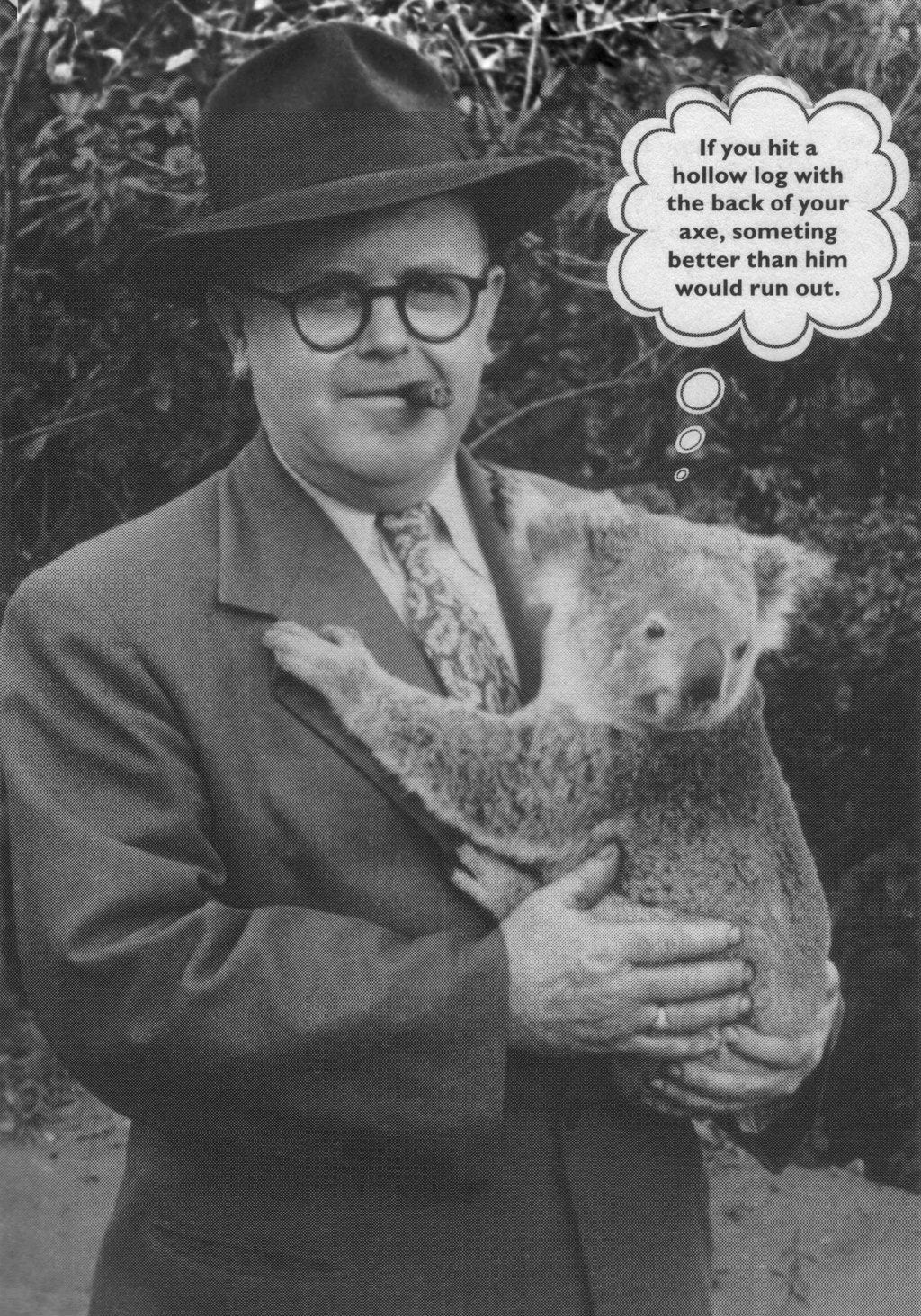
As most people who read my books know, my most popular character is a Russian migrant who arrived here aged nine and sat next to me in my Convent class. His name was Dimitri Egoroff, but we eventually called him “Jim”.
English was Jim’s second language – so he had his own unique way of talking.
We would say “It’s raining cats and dogs today”, but Jim said “It’s raining dingoes!” He always asked me, “Lunn, how have you been going these couple of last days?” and — when expressing surprise that I kept writing about him — he would say “I know you have to keep the wolf at the door”.
Of course we would say “from the door”.
To capture his lingo for my books I kept notes whenever Jim visited from England.
Eventually Jim moved to San Francisco to care for his elderly mother, Tamara, and would turn up once a year “like a bad penny”, as we used to say. On one trip in the early 1990s he would respond to a discussion with a shrug and say “Whatever”.
Thinking it was his unique way of talking, I wrote it down and had him say it in one of my books.
Three decades later, desperate to watch something on TV, we turned on the most popular of American sit-coms, “Seinfeld”. That’s when I found out where Jim acquired “whatever” as a dismissive way of ending any nuance in a conversation. The characters used it almost as much as they used the word “bathroom” which has now also taken over in Australia.
(“Seinfeld” is still on Australian TV today in 2026; except you can now watch it 24-hours-a-day.)
In the 1950s we went to the dunny or the lavatory. In the 1970s we went to the toilet. In the 1980s we went to the ’loo. And now everyone goes to “the bathroom”. In Grand Slam tennis matches they now have “a bathroom break”.
In cricket we have “batters” and “fielders”, the reserve bench is “the dugout” and dressing sheds have become “locker rooms”. If you “blow off” it doesn’t mean you passed wind – it means you didn’t turn up for an appointment.
Soon we’ll all be calling our mobile a cell. Actually, at the Byron Bay chemist shop the sign outside says: “Please don’t talk on your cell phone while waiting to be served”.
Everyone now says “I am going to try and do it” whereas they really mean “try to” because what they are saying assumes they will succeed.
Don’t start me on “different than” instead of the correct “different from”.
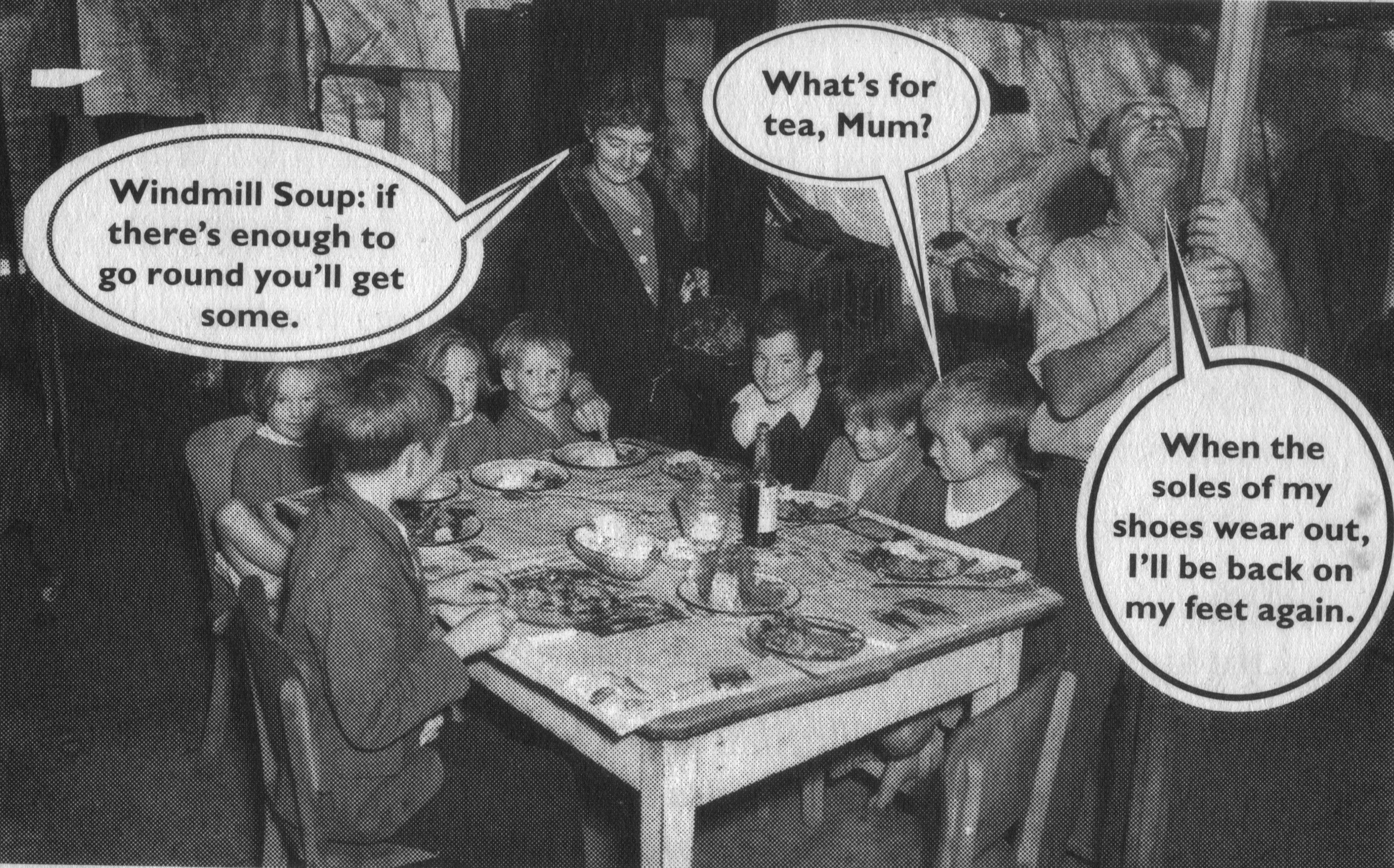
Australians now universally talk “with” people and not “to” them; they “meet with” officials instead of “meet”; and they now add “of” or “for” or “with” willy-nilly to sentences:
She suffers with asthma
I’m fed up of being mucked around
Police have warned parents of leaving children in cars
The apartments comprise of…
I’d love for him to pick up the phone
I’m real close with him
He was convicted for murder
And, worst of all, we are now starting to use the U.S. special “off of” in sentences. (I heard it twice on the nightly news in Brisbane recently.)
We no longer have problems; in our media we only have “issues”. Qantas flights turn around “because of issues”. We have power issues and pitch issues and capacity issues.
If a footballer leaves the field limping, the commentator will say “he’s having knee issues”.
A jackass has become a fool in a bar, instead of a kookaburra; a 4-wheel drive has become an SUV; “pissed off with you” has become “pissed with you” and “passed away” has become “passed”.
Anthony Albanese insists on saying “nootral” while some of our newsreaders now say “nooclear” instead of “nuclear” and “nood” instead of “nude”.
Faced with all this, as my nephew Richard left, I unthinkingly said “Tat-tah.”
He half-turned to come back but instead left with a smile on his dial.
I assumed he was thinking about smut.
[Smut is a group of pathogenic fungi that produce grey or black spores on plants.]
Photos from the National Library of Australia
ABC Books and HarperCollins publish Hugh’s two books on Australia’s long-lost language.
Click here to check them out: Lost for Words and Words Fail Me.
They are both still in print 20 years later.
Thanks for this great article Hugh. A lot of younger people may not of heard of 'Blind Freddy' but according to the Australian author John O'Grady, his spirit lives on and is frequently called upon to measure the lack of physical or mental perception exhibited by your workmate or companion "You still lookin' for that bloody shovel? If it was a dog it'd bite you..... even Blind Freddy could see it! Your mother Olive had some really great sayings that you have written about in your other articles.
Hugh
It was only this week I was thinking of my dad saying he was “tonguing for a beer” and there it was in your article.
Yes so many Americanisms (is that a word)
“Off of” is a pet peeve of mine too - it doesn’t make sense but just like Trump is accepted as part of life
Ah well lest we forget let’s keep remembering